
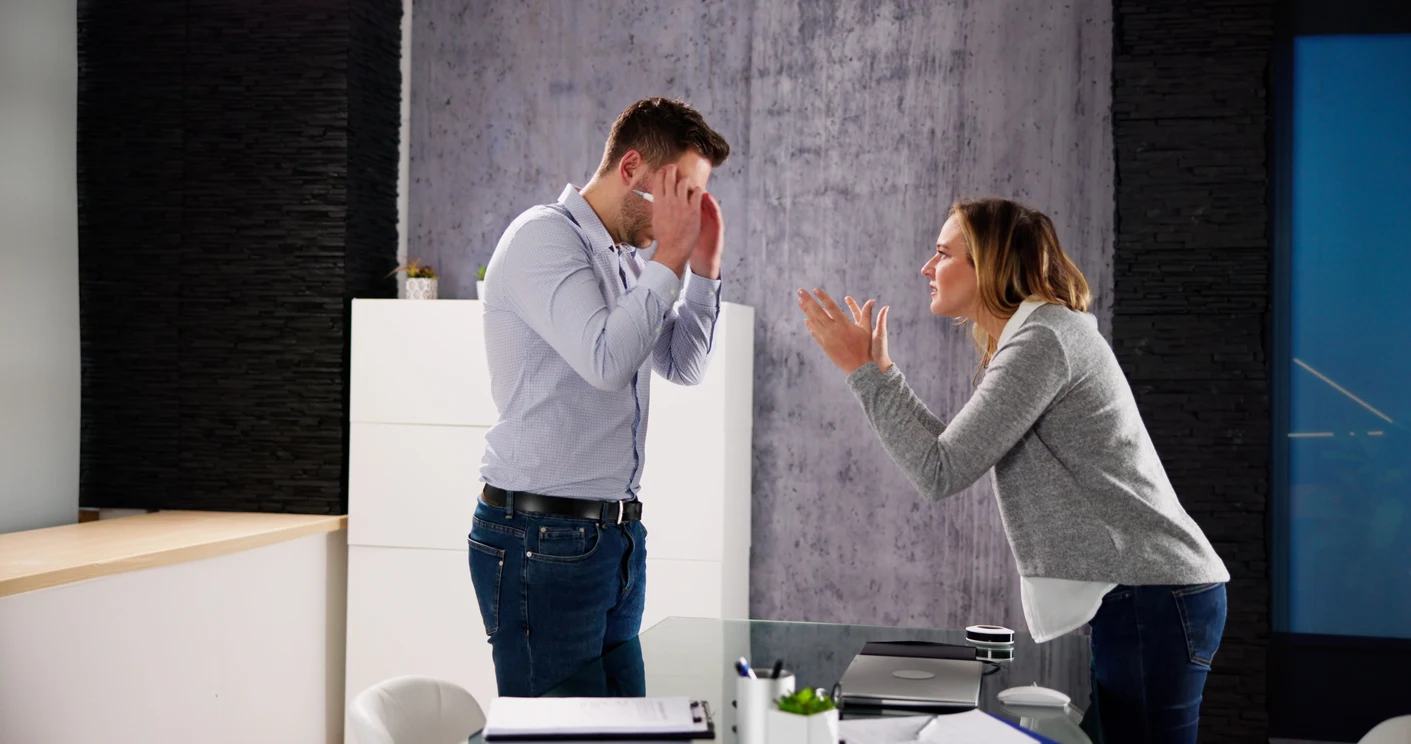
Landlord Harassment
Each tenant should have peace, security, and privacy. The behaviour from landlords can extend well beyond simple property management to include intimidation, coercion, prolonged unwanted interference and more than just a tenant, to even harassment. Such situations can make for a situation where living is stressful, uncertain, sometimes even uninhabitable. If a landlord is continuously interfering, or providing threats or bullying, it’s important for you to know your rights. A landlord harassment lawyer can help you break the pattern of behavior, secure your living and take legal action as appropriate.
When a landlord behaves in a manner intended to intimidate, coerce, threaten, or even coerce a tenant to “leave the premises or surrender property,” they’re committing landlord harassment. Unlike normal acts such as renovations or inspections that make up the landlord’s job, harassment is an unwanted, excessive, or illegal action that interferes with the tenant’s right to quiet enjoyment of their residence. It can either be direct or indirect. Some landlords will openly threaten a tenant or directly attempt to remove him while others will insist on interrupting regularly and using intrusiveness, neglect or simply keeping their tenants uncomfortable. But even if a landlord continues acting within their rights, the overall behavior or the intent behind the landlord’s conduct can greatly influence when it counts as harassment.
Landlord Harassment isn’t Always Easy to Detect
There are many different ways landlord harassment can manifest. Some landlords keep encroaching and enter a tenant’s unit without warning or come in late at unreasonable hours. Others might send out notices to the highest frequency ever published, call persistently or threaten with verbal intimidation. And in other cases, landlords may turn off utilities, do not make repairs as necessary or purposely make situations unsafe and awkward for tenants. Harassment can also include threats to evict someone for no reason, biased statements, or retaliation of a tenant who claims their rights. Another important issue is whether the landlord’s behavior is persistent and intended to keep the tenant from being able to cohabitate peacefully on the property.
When to Call a Landlord Harassment Lawyer?
If you are repeatedly interfered with by the landlord, or getting significantly interfered with, please contact the legal advisor at once. Many tenants will try and sit with it under the theory that things will improve but harassment always escalates over the long run. You would want a lawyer if your landlord enters your unit without proper notice, threatens to evict you without legal justification, won’t deal with serious maintenance issues or engages in behaviour that leaves you feeling unsafe or under pressure to leave. If you still don’t know if the behavior is harassment, a lawyer can advise you on what you are allowed to do.

What You Can Do with a Landlord Harassment Lawyer?
Talk to a landlord harassment lawyer for a proper assessment and whether tennant harassment laws impact tenant safety. They might investigate communications, notifications, maintenance records and timelines to identify trends in harassment. Your attorney for landlord harassment can assist you in recording the conduct, send the landlord formal notices stating it must cease, and if necessary contact local housing authorities. You can also benefit from being defended by legal counsel to avoid wrongful eviction or to prevent further retaliatory action while your case is underway.
What Legal Protections Do Tenants Have From Harassment?
Tenants have the right to enjoy their home, secured by law, as their right to quiet enjoyment. This prevents landlords from causing unnecessary disruption to a tenant’s right to live in their home. And a large number of states and local governments have laws on their books that prohibit harassment by landlords while also specifying what unlawful behavior does involve. Such protections generally include clear notices when entering a unit, restrictions on when and how landlords can connect with tenants and obligations to maintain safe and habitable living circumstances. Violations of these rules may give tenants the right to sue. Learning about these safeguards teaches tenants when a landlord’s behavior might not be in their best interests.
What Compensation May Be Available In A Harassment Case?
If there is evidence of landlord harassment, tenants may be granted damages for injuries sustained by the landlord. And financial costs, either to move their home, to repair damage to their property or to search for a new dwelling. Tenants may also obtain damages for emotional distress in a limited number of cases if the harassment was accompanied by significant anxiety, fear, or upset. Courts will also demand for this landlord to stop harassing and obey the law to move on. The issue will be whether the charge should go forward; the severity of the conduct, the evidence, and laws in force at that location all determine this.
How can you Defend Yourself in this Scenario?
Documentation is useful if you believe you have been harassed by your landlord. Keep the communication trail. Recording what you encounter with your landlord — such as if he or she barges into your unit on strange or inappropriate premises — as soon as you can. And you certainly should know about your lease — and the laws in your municipality to know what your landlord is and is not permitted to do. No reaction, no running into the hole. But focus on preserving your record of those events so an important point could be established when legal action is required.
Why Should This Matter?
Harassment of landlords affects all parties involved. It directly affects fair housing for the tenancy as a whole. When a landlord threatens or pressures tenants, the situation ends up with unstable and unsafe living conditions. By moving forward, we are ensuring tenant protections continue, and that landlords are held accountable for their illegal behavior. It also lets tenants defend their rights and take charge of their housing situation.
FAQ
Take The Next Step
If you’re experiencing landlord harassment, you’re not alone in your journey. Legal advice can help you understand your rights, stop illegal behavior, and keep your home safe. Book your consultation with a lawyer for landlord harassment— the next step to restore your peace of mind and hold your landlord accountable.